The Iris: three landing strips and a one-way street
Three parts stand up, three arch down, and each of the arching ones is a landing strip with a guide line painted on it. Build the iris and the mechanism becomes obvious — and then a flower on a flag, a gold coin from Florence, a woodblock print from Edo and a root in a perfume bottle all start to make sense.
Build the ARTOYA Iris and you build a pollination machine: three signals, three landing strips, one route in and out. From there we follow the flower onto the arms of France, onto Florence's florin, into Van Gogh's first canvases at Saint-Rémy and into perfume.
« Having seen it is not as good as knowing it; knowing it is not as good as doing it. » — Xunzi, 3rd century BC
1What you are building
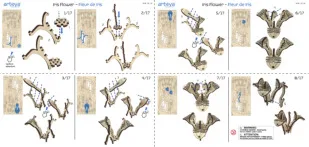
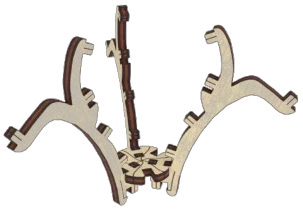
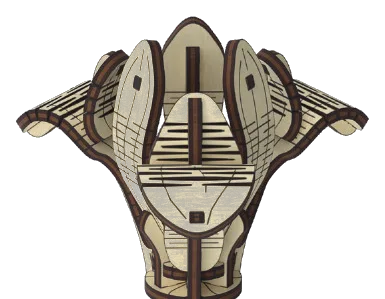
The ARTOYA Iris is a 22-piece model in birch plywood, cut and marked on a single board. It takes about thirty minutes, in the order on the sheet in the box: check that every piece is on the board; press out each one only when the sheet calls for it; build the flower head first — frame and hub, then the three falls, then the three standards; slot the head onto the stem, join the sections, add the leaves; paint last, once it stands, or keep it plain. Once built, it stays built.
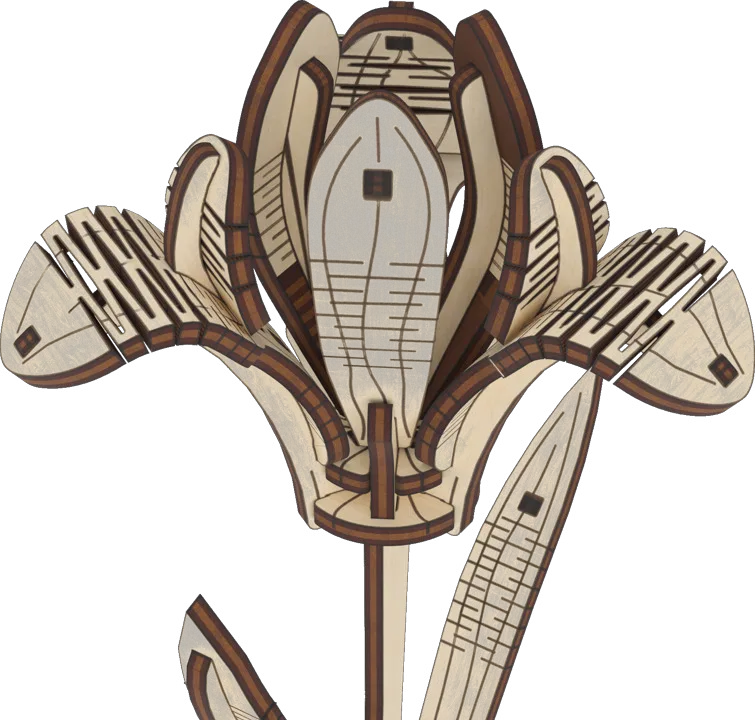
Let's be honest about what it is not. It is not a botanically exact model: proportions are simplified so that every part reads clearly, and the parts a real flower hides — stamens, style arms, the sticky lip — are left to the next section. A flower to learn from, not a specimen. What it gives in return is flower anatomy — petal, sepal, stamen, pistil — learned by building it rather than labelling a diagram, plus colour mixing if you paint it. Age 14+, and no two finished models are alike.
Sources ARTOYA leaflet AV0118139 (approved copy) · Royal Botanic Gardens, Kew — kew.org · Royal Horticultural Society — rhs.org.uk
2A flower built for its pollinator
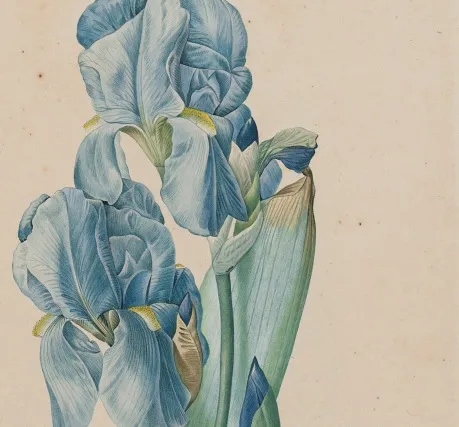
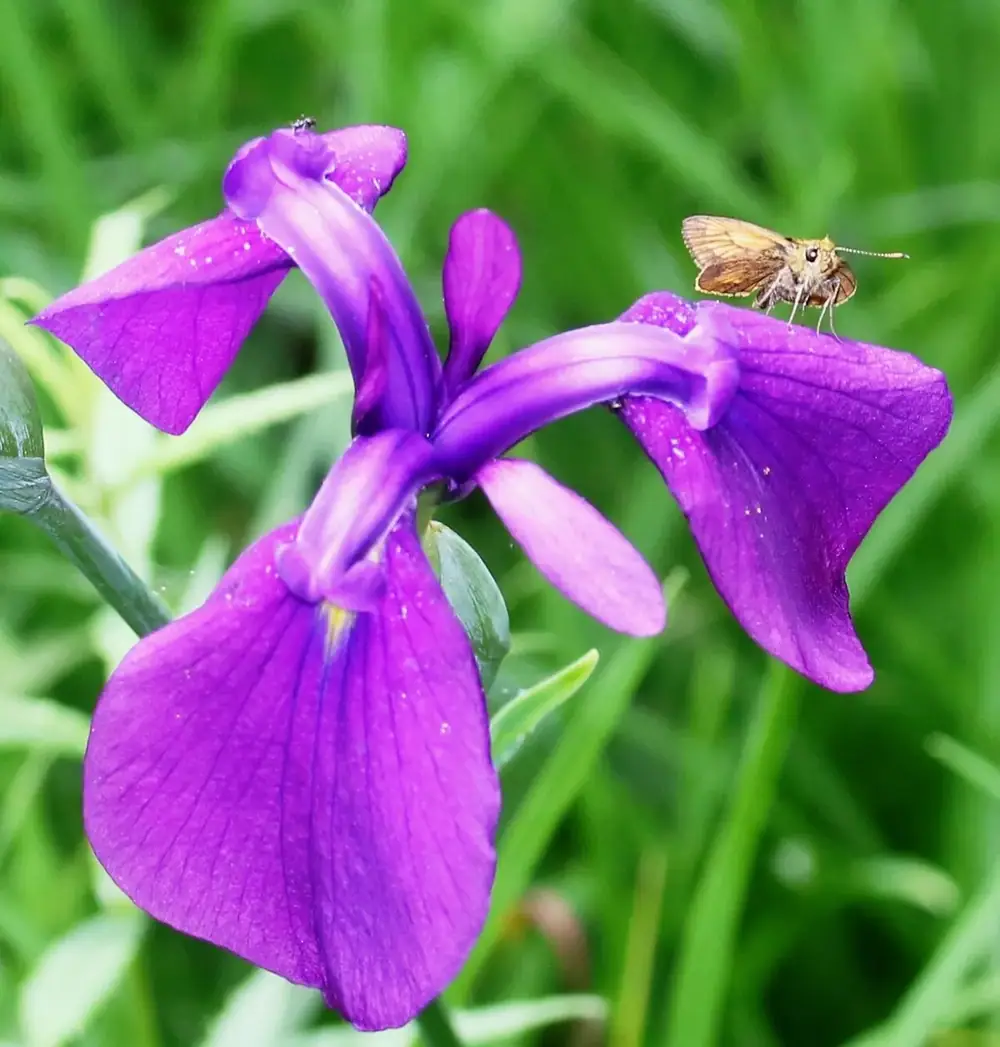
Look at any iris and you see six coloured parts, but they are not six of the same thing. Three are petals and stand up: growers call them the standards, and their job is to signal from a distance. Three are sepals and arch down: the falls, each one a landing platform. Britannica puts the whole flower in one line — three sepals, three petals, and three broad pollen-receptive stigma branches under which the anthers are hidden.
Those three "branches" are the clever part. The style, a simple stalk in most flowers, splits in the iris into three petal-like style arms. Each lies along a fall like a roof, with one stamen beneath it, and on its underside, facing the way in, is a small sticky flap: the stigmatic lip.
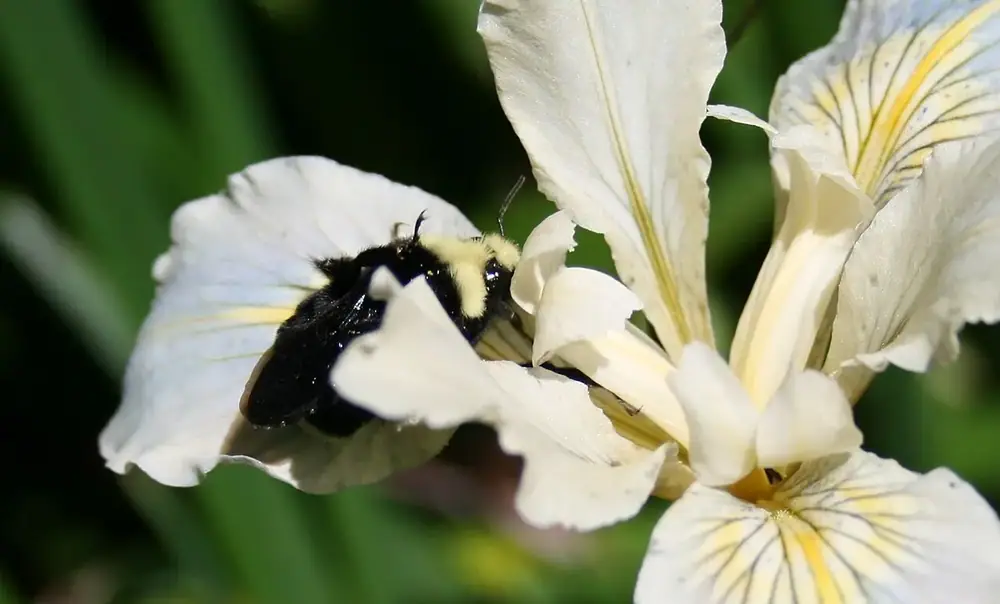
Now watch a bee. The US Forest Service, which studies the wild irises of North America, describes the route. The visitor is usually a bumblebee. It lands on a fall, and the veining directs it into the tight space between sepal and style arm. As it crawls toward the nectar, pollen already on its back rubs off onto the sticky lip; only as it pushes further in does its back touch the anther and pick up fresh pollen — and out it goes, to the next flower. So the flower receives pollen before it gives pollen: a one-way street with the stigma at the entrance and the anther at the exit.
Look at your model. The three upright pieces are the standards — the true petals, the signal. The three arching pieces are the falls — the sepals, the landing strips. The hub at the centre stands in for everything a real flower crowds into that space — style arms, stamens and lip — and shows where the three falls lead. The guide line on each landing strip is the last thing you add, with a brush, once the flower stands.
Sources Encyclopaedia Britannica — britannica.com, "iris" · US Forest Service — fs.usda.gov, "The Iris Flower" · Royal Botanic Gardens, Kew — kew.org · Royal Horticultural Society — rhs.org.uk
3The rainbow's flower
Iris was the Greek goddess of the rainbow. The genus took her name because it flowers in almost every colour there is — and there is a lot of genus to colour. Kew's Plants of the World Online lists 320 accepted species, spread across the temperate northern hemisphere and reaching as far as the Philippines.
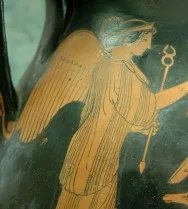
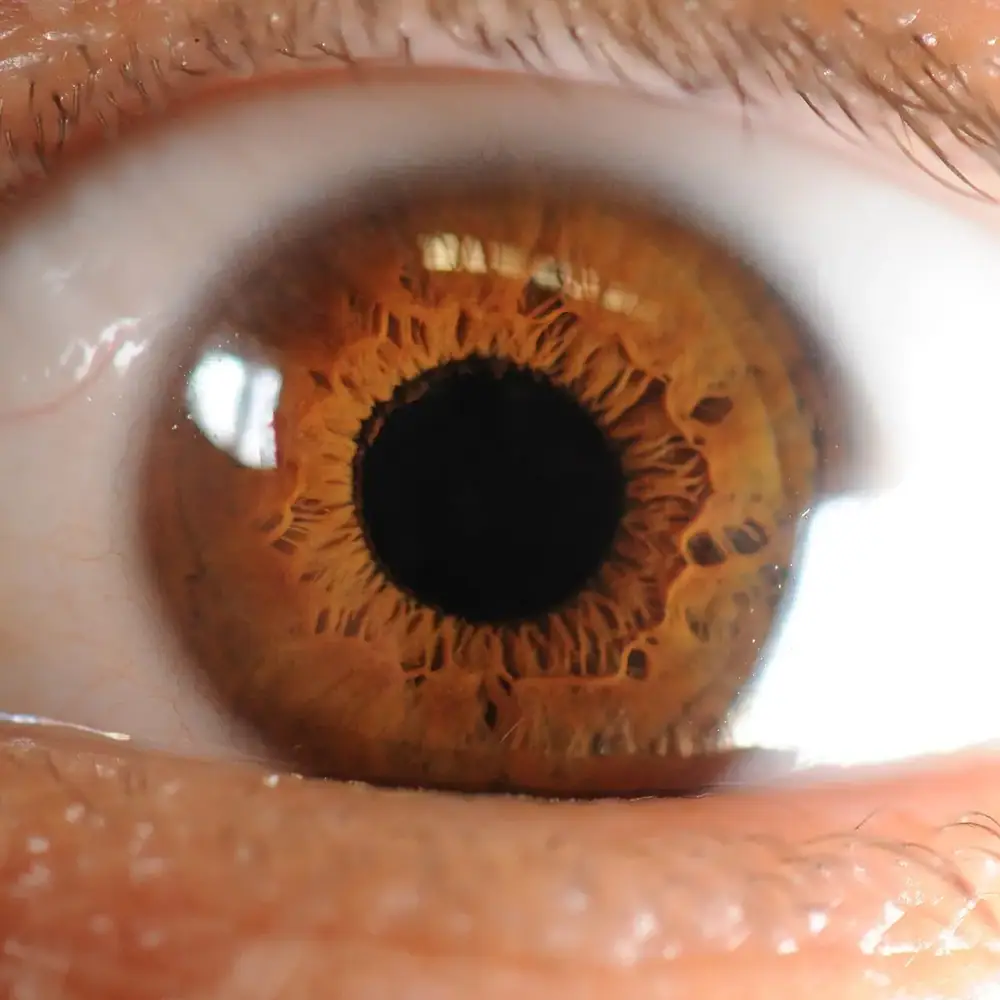
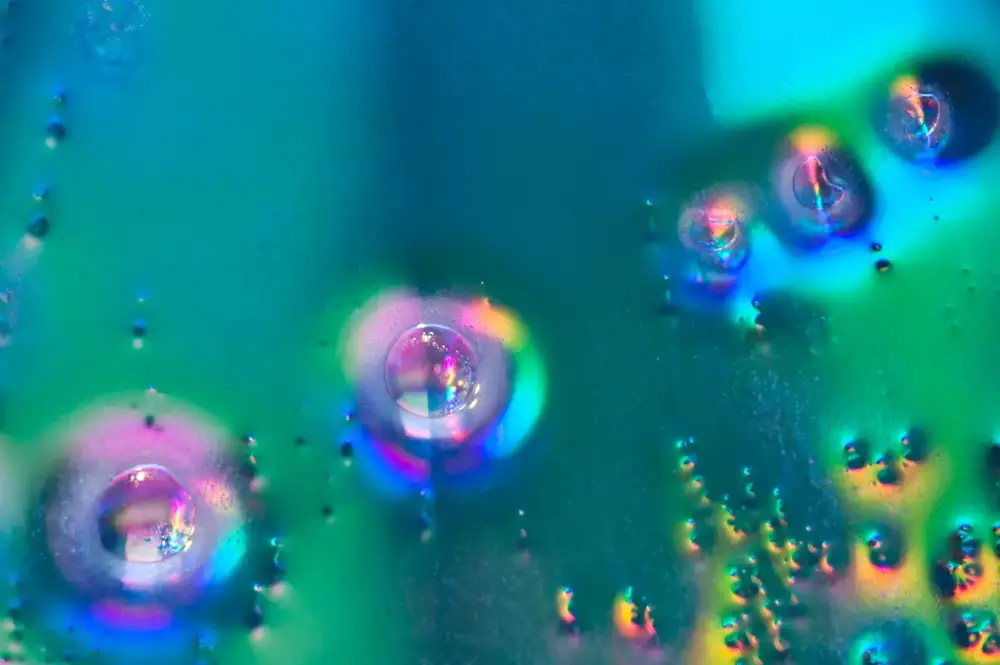
In Homer's Iliad Iris is the messenger of the gods, and Greek painters gave her wings and a herald's staff — which is how she appears on the Attic vase in the Bibliothèque nationale de France, Paris, that we borrowed for the leaflet. Her name has travelled further than her flower. The coloured ring of the eye is called the iris for the same reason the flower is — both were named for the goddess of the rainbow — and when English needed a word for the shifting colours of a soap bubble it reached for the same root: iridescent, first recorded in 1796.
Sources Encyclopaedia Britannica — britannica.com, "Iris (Greek mythology)" and "iris" · Royal Botanic Gardens, Kew — powo.science.kew.org, "Iris Tourn. ex L." · Merriam-Webster — merriam-webster.com, "iridescent"
4From riverbank to coat of arms
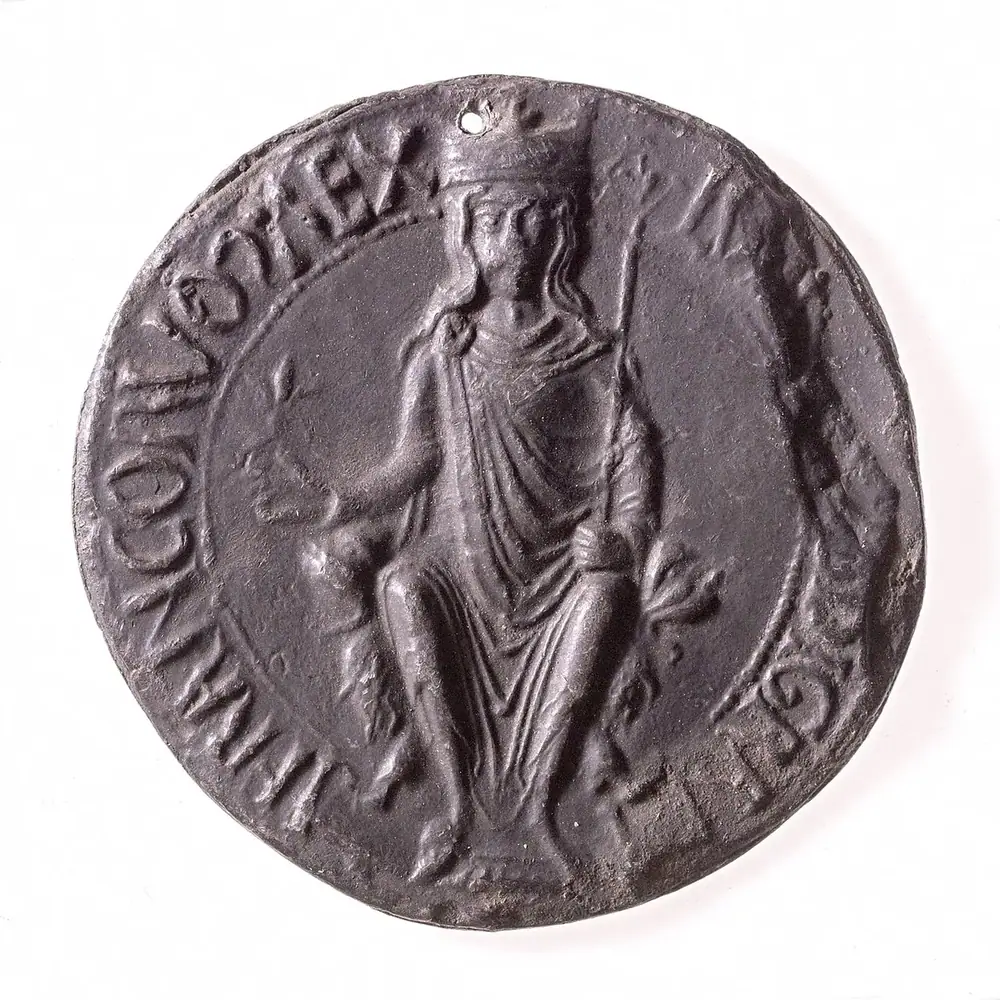
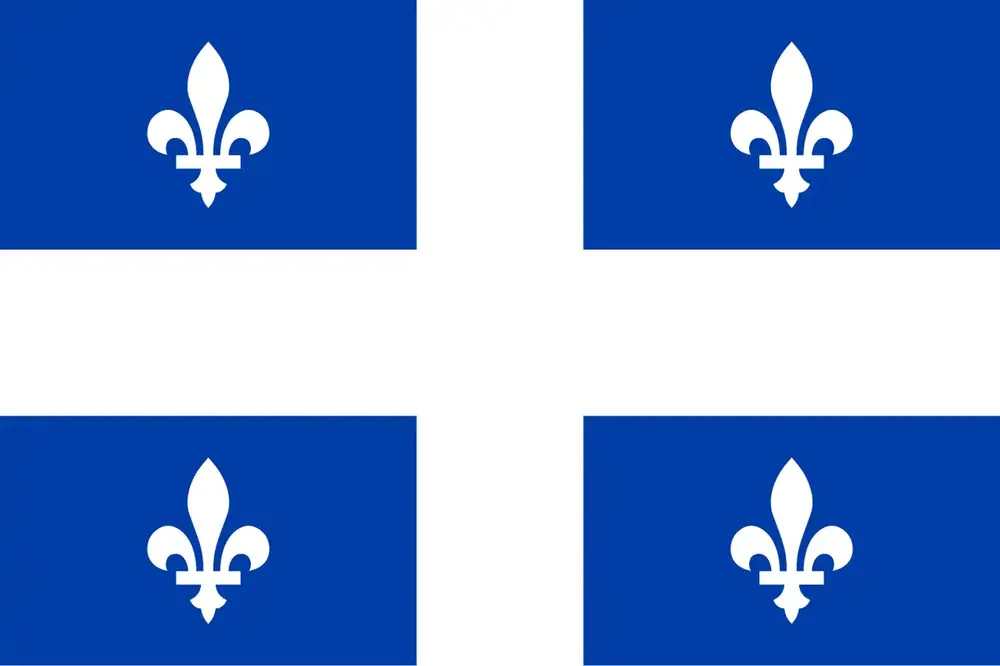
Stylised, the iris became the fleur-de-lis on the arms of the kings of France from the twelfth century — still on flags, from Quebec in Canada to New Orleans in the United States, eight centuries later. The Heraldry Society names the king: Louis VII was the first to use a fleur-de-lys as a personal badge, on his seal, around the middle of the 1100s. From there grew the story that the name was first "fleur de Louis", the king's flower, for the Louis who carried it into battle; an older tale gives it to Clovis, baptised in 496. Historians call both legend — and the flower was most likely the yellow flag iris of the riverbank, not a lily.
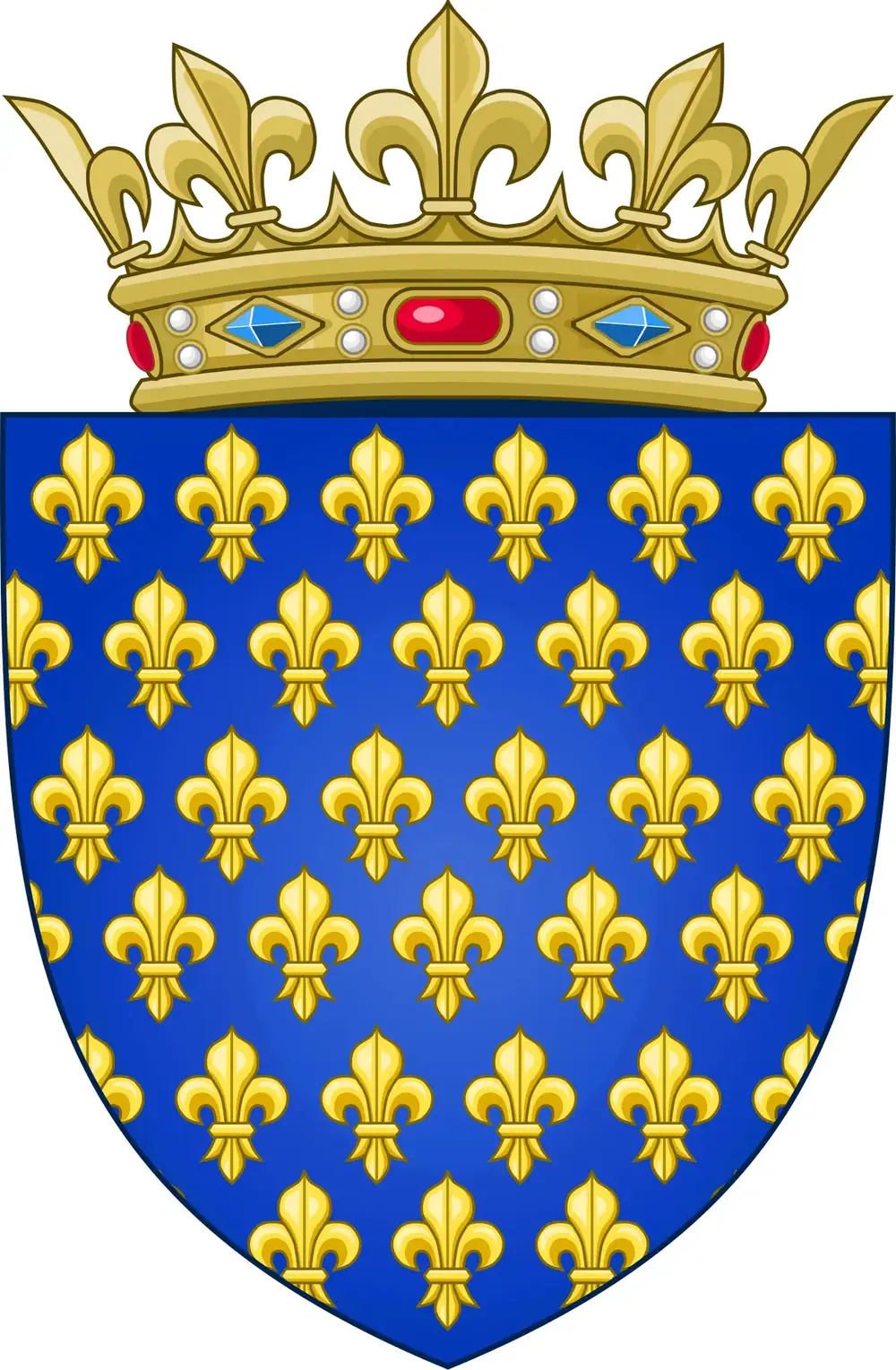
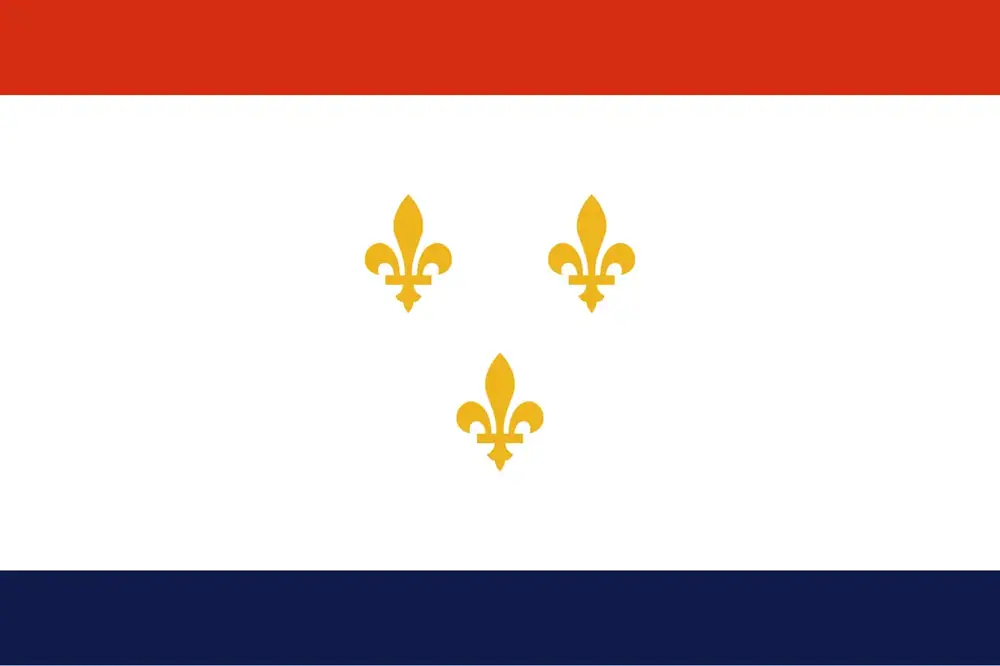
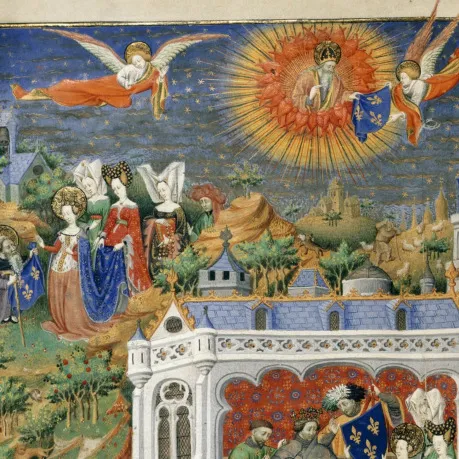
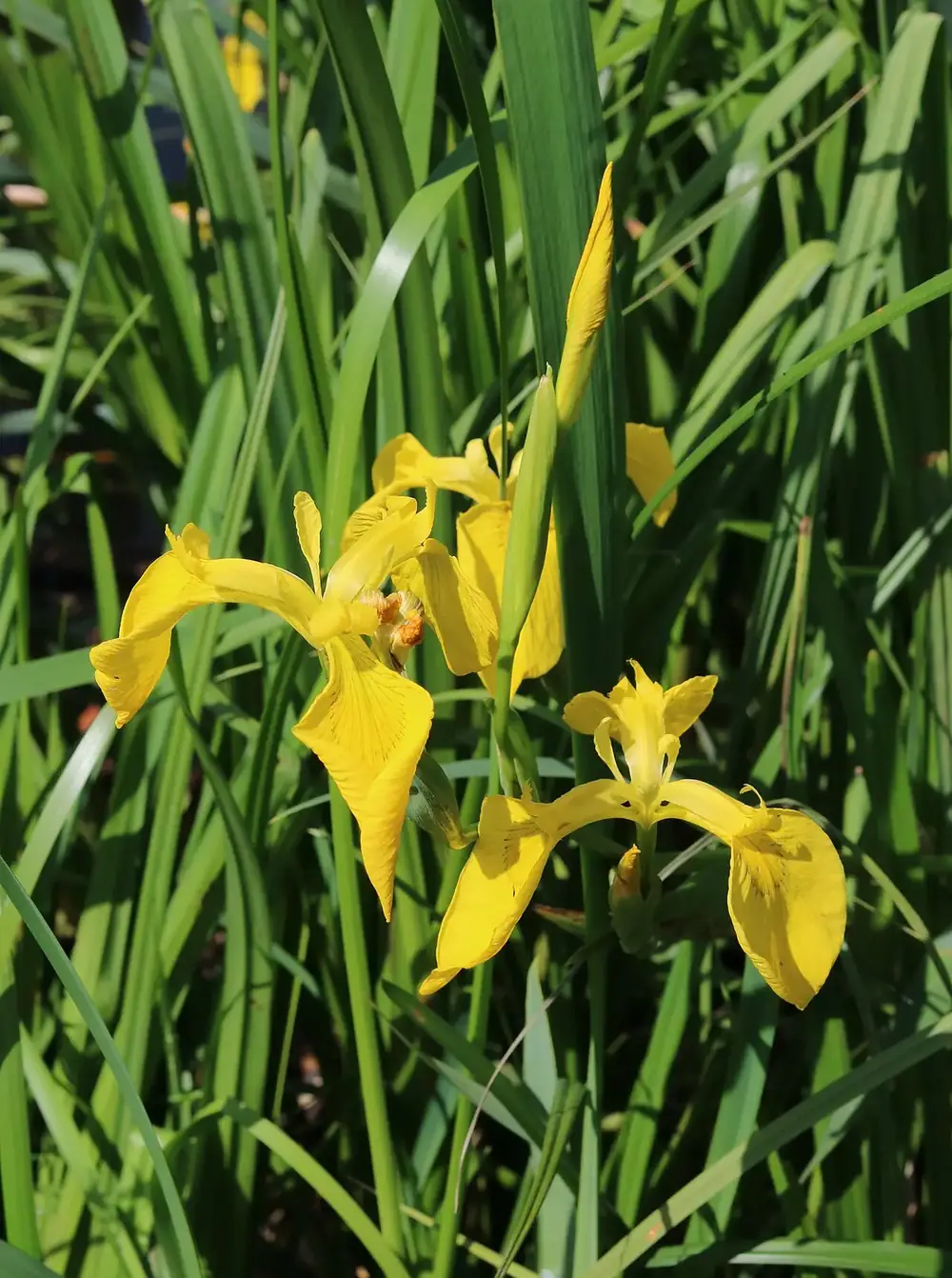
The riverbank flower is worth meeting. Iris pseudacorus, the yellow flag, grows to a metre and a half at the margins of ponds and streams, native from Europe to Iran, with yellow flowers up to ten centimetres across and brown veining down each fall — the guide lines again. Among its old English names the RHS lists "yellow fleur-de-lis".
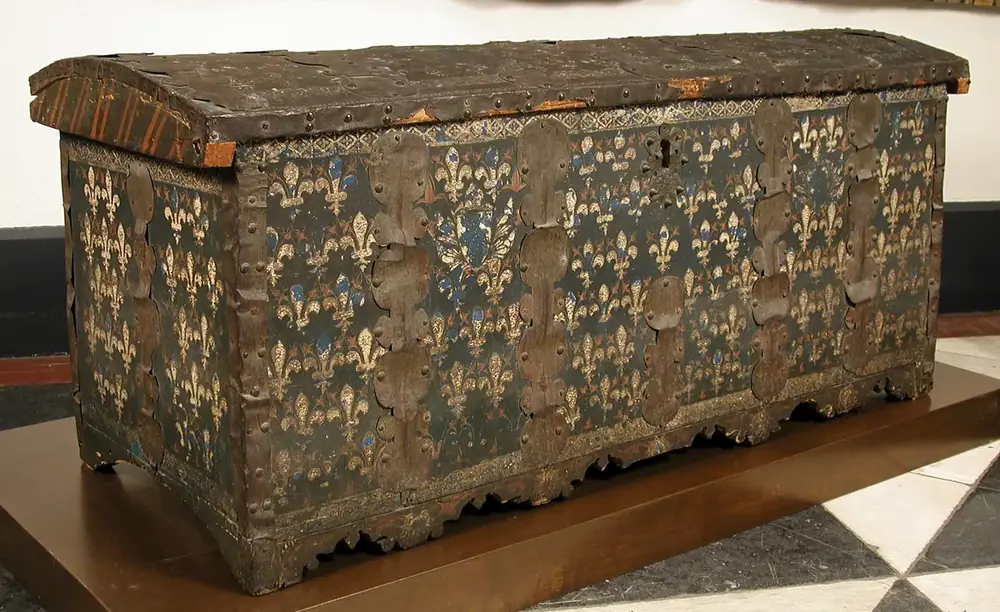
The Heraldry Society adds a caution: in its first centuries the fleur-de-lys was never exclusively French or royal, and turns up in the arms of unrelated families all over Europe — the Met's proof is a wedding chest made in Italy around 1350 and covered edge to edge in gilded fleurs-de-lis. It is still being adopted, too: Quebec's flag, a white cross on blue with a fleur-de-lis in each corner, became official on 21 January 1948 at the National Assembly in Quebec City, Canada.
Sources The Heraldry Society — theheraldrysociety.com, "The Fleur de Lys" · Encyclopaedia Britannica — britannica.com, "iris" · Royal Horticultural Society — rhs.org.uk, "Iris pseudacorus" · Royal Botanic Gardens, Kew — powo.science.kew.org, "Iris pseudacorus L." · The Metropolitan Museum of Art — metmuseum.org, 18.70.40 · Gouvernement du Québec — quebec.ca, "Histoire du drapeau du Québec"
5Van Gogh's first month
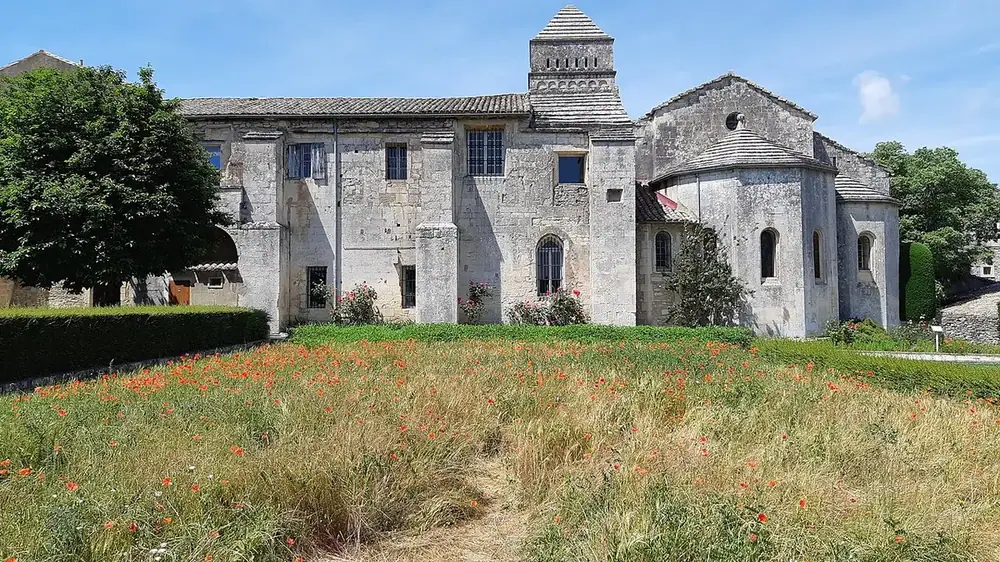
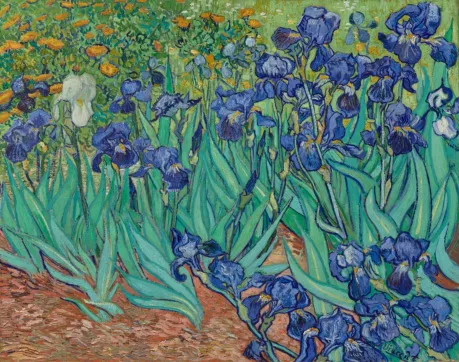
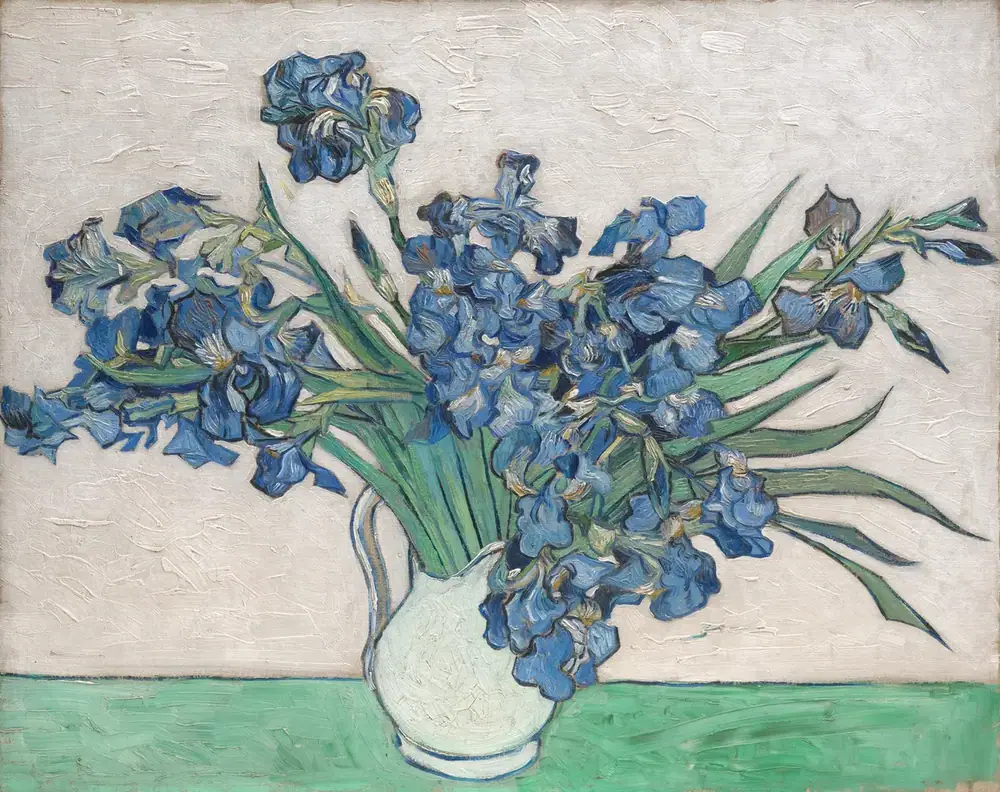
Van Gogh painted it in his first month. He arrived at the asylum of Saint-Paul-de-Mausole at Saint-Rémy-de-Provence, in the south of France, on 8 May 1889 and painted the bed of irises in its garden that same May, among the first canvases he made there. His brother Theo showed it in Paris that September. It is now at the Getty in Los Angeles: oil on canvas, 74.3 by 94.3 centimetres — our cover picture.
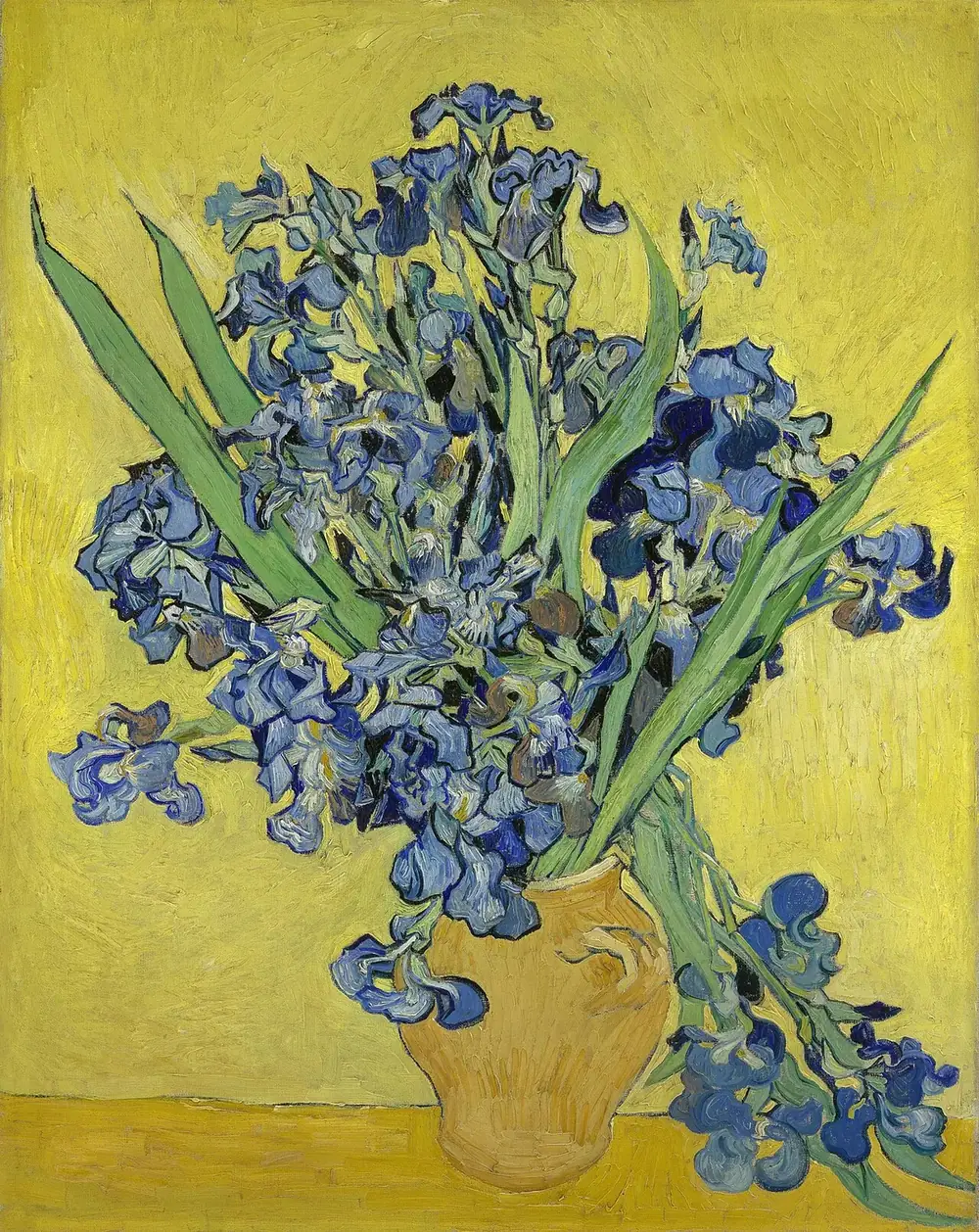
Look closely and the picture is a field guide: you can pick out the falls and the standards on every flower, and one flower in the crowd is white among the purple. The Getty describes the canvas as a Dutch painting inspired by Japanese ukiyo-e prints. Van Gogh stayed at Saint-Rémy a year and, by the Van Gogh Museum's count, finished around 150 paintings there; in 1890 he came back to irises, cut and standing in a vase, as what the museum calls "a study in colour": purple against yellow. They were purple when he painted them; the red in the pigment has faded, and today they read as blue. In 1987 Van Gogh's Irises sold at auction for 53.9 million dollars, then a record for any painting.
Sources The J. Paul Getty Museum — getty.edu, "Irises", 90.PA.20 · Getty News — getty.edu, "Five Ways of Seeing Van Gogh's Irises" · Van Gogh Museum — vangoghmuseum.nl, "Irises" (s0050V1962) and "Vincent van Gogh's Hospitalization: 1889–1890"
6Orris: the root in the perfume
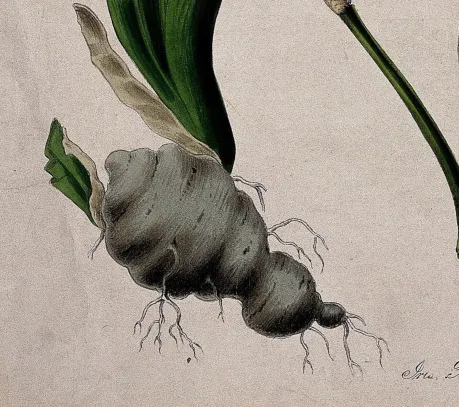
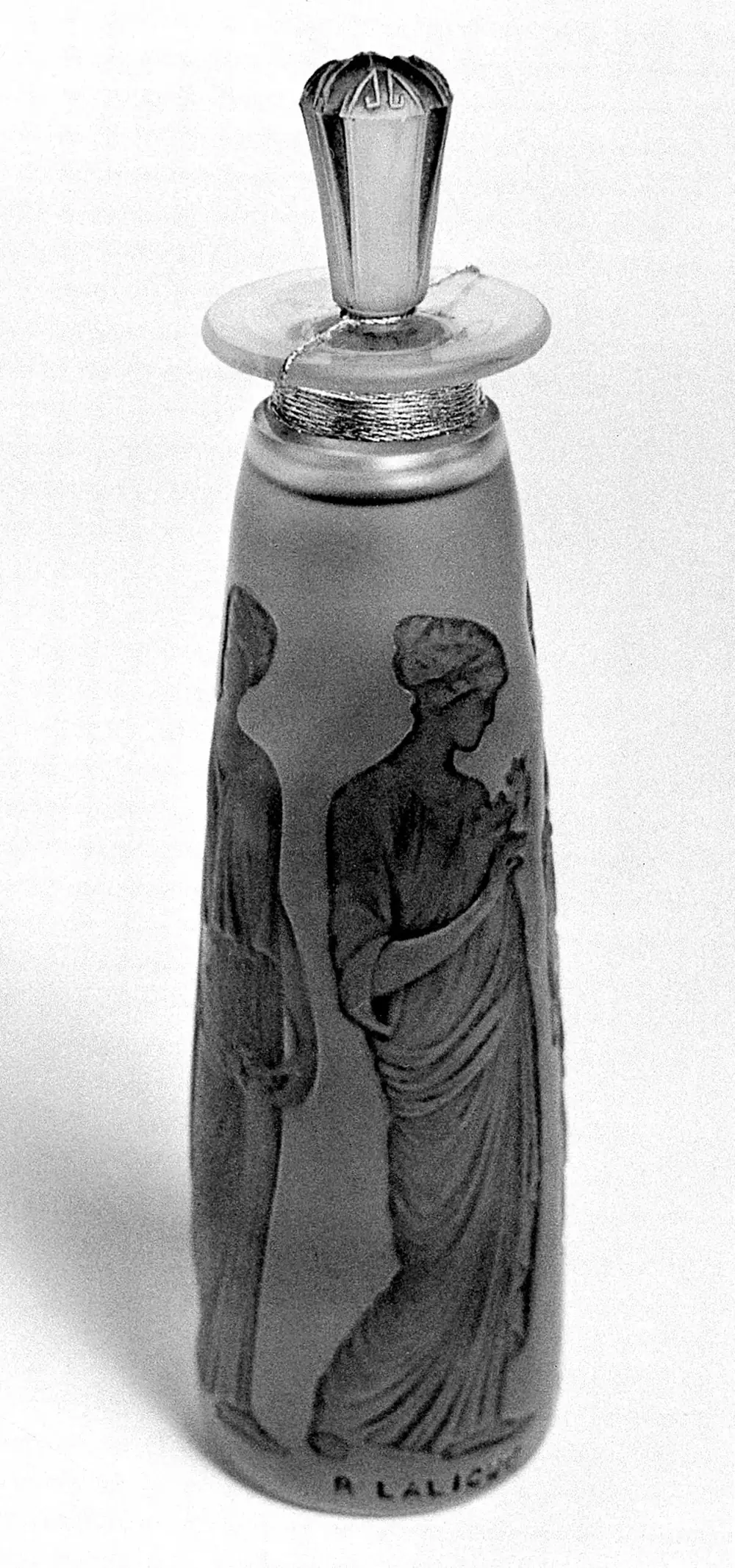
The part of the iris that perfumers want is the part you never see. Iris rhizomes — the thick stems that creep just under the soil — are dried for years to make orris, one of perfumery's costliest raw materials. Fresh, the rhizome smells of almost nothing; the violet scent forms as it ages, and takes two years. Once there, orris works as a fixative — it holds other scents in place.
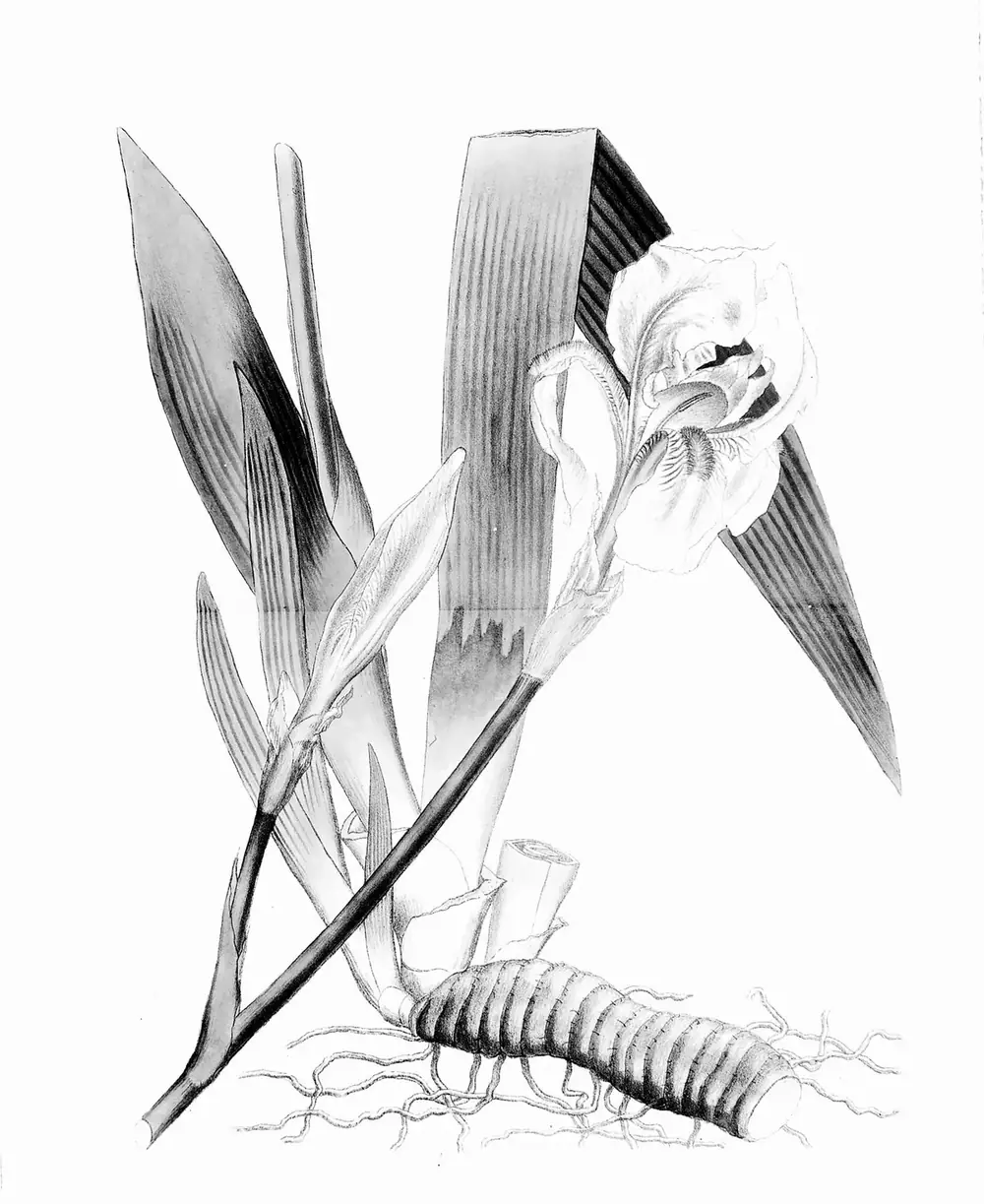
Britannica names the two European species that supply it, Iris germanica and Iris pallida, and calls the product "essence of violet". Iris pallida grows wild from northern Italy to the north-west Balkans, and the perfumers' Iris germanica has long been called the Florentine iris — the Wellcome Collection's 1880 plate is titled simply "Iris Florentina (Orris root)". Orris has done other jobs too: ground to a powder, it scented wigs in the eighteenth century, went into soaps, face powders and toothpastes, and once flavoured sweets and jellies, a use that faded because some people react to it.
Sources Encyclopaedia Britannica — britannica.com, "orrisroot" and "orris oil" · Royal Botanic Gardens, Kew — powo.science.kew.org, "Iris pallida Lam." · Wellcome Collection — wellcomecollection.org, "Flag iris (Iris × germanica): flower and rhizome" and "Iris Florentina (Orris root)"
7Try this
Find the three landing strips. Take a real iris — bearded garden irises flower in May and June — or a good photograph, and count: three standards up, three falls down. On each fall, trace the veining from the edge toward the centre with a fingertip. What to notice: every line ends at the same place, the opening under a style arm — the roof the bee crawls under.
Time a bee. On a warm morning, sit by a clump of irises for ten minutes with a watch. Each time a bee lands, note where it lands, how long it stays inside, and whether it backs out or pushes through. What to notice: bees land on the falls, never the standards, and a visit is short.
Paint a documented iris. Pick a colour you can check — the yellow flag's yellow with brown veining (RHS), the purple-against-yellow of Van Gogh's 1890 vase (Van Gogh Museum), or the red Florence is still waiting for — and mix it before you touch the model. Falls first, then the guide line, then the standards; keep paint out of the slots. What to notice: a guide line that reads from a metre away is doing the same job as the real one.
Sources Royal Horticultural Society — rhs.org.uk, "Iris germanica" and "Iris pseudacorus" · US Forest Service — fs.usda.gov, "The Iris Flower" · Van Gogh Museum — vangoghmuseum.nl, "Irises" (s0050V1962)
8Words to know
- Standard — one of the three upright petals of an iris; the flower's long-distance signal.
- Fall — one of the three arching lower parts; a sepal, not a petal, and the bee's landing platform.
- Style arm — one of the three petal-like branches of the style that lie along the falls, each roofing a stamen.
- Stigma — the pollen-receiving surface; in the iris, a small sticky lip under each style arm.
- Anther — the pollen-producing tip of a stamen, hidden under the style arm.
- Nectar guide — the veining on a fall that steers an insect toward the centre.
- Rhizome — a thick stem that creeps along or just under the ground; in the iris, the part divided by gardeners and dried for orris.
- Orris — the aged, dried iris rhizome used in perfumery as a fixative and a violet-like scent.
- Helophyte — a plant that lives with its roots in waterlogged ground or shallow water; the Japanese iris is one, the bearded iris is not.
Sources Encyclopaedia Britannica — britannica.com, "iris" and "orrisroot" · US Forest Service — fs.usda.gov, "The Iris Flower" · Royal Botanic Gardens, Kew — powo.science.kew.org · Royal Horticultural Society — rhs.org.uk
9Sources
- Encyclopaedia Britannica — "iris" (plant genus): https://www.britannica.com/plant/Iris-plant-genus
- Encyclopaedia Britannica — "Iris" (Greek mythology): https://www.britannica.com/topic/Iris-Greek-mythology
- Encyclopaedia Britannica — "orrisroot": https://www.britannica.com/topic/orrisroot
- Encyclopaedia Britannica — "orris oil": https://www.britannica.com/topic/orris-oil
- Encyclopaedia Britannica — "fiorino d'oro": https://www.britannica.com/topic/fiorino-doro
- Royal Botanic Gardens, Kew — Plants of the World Online, Iris Tourn. ex L.: https://powo.science.kew.org/taxon/326330-2
- Royal Botanic Gardens, Kew — Plants of the World Online, Iris pseudacorus L.: https://powo.science.kew.org/taxon/urn:lsid:ipni.org:names:438992-1
- Royal Botanic Gardens, Kew — Plants of the World Online, Iris pallida Lam.: https://powo.science.kew.org/taxon/urn:lsid:ipni.org:names:438939-1
- Royal Botanic Gardens, Kew — Plants of the World Online, Iris ensata Thunb. (native range SE Siberia to Japan; rhizomatous geophyte or helophyte): https://powo.science.kew.org/taxon/urn:lsid:ipni.org:names:438572-1
- Royal Horticultural Society — Iris pseudacorus: https://www.rhs.org.uk/plants/9334/iris-pseudacorus/details
- Royal Horticultural Society — Iris germanica: https://www.rhs.org.uk/plants/9256/iris-germanica/details
- Royal Horticultural Society — "Irises: dividing" (every three to five years; six weeks after flowering; fans with up to 15 cm of young rhizome; leaves shortened to about 15 cm; rhizome at the surface on heavy soils): https://www.rhs.org.uk/plants/iris/dividing
- Missouri Botanical Garden — Plant Finder, Iris ensata (standing water up to 6 in deep; flowers 3–6 in across; June to July): https://www.missouribotanicalgarden.org/PlantFinder/PlantFinderDetails.aspx?kempercode=a641
- US Forest Service — "The Iris Flower": https://www.fs.usda.gov/wildflowers/beauty/iris/flower.shtml
- The Heraldry Society — "The Fleur de Lys": https://www.theheraldrysociety.com/articles/the-fleur-de-lys/
- Gouvernement du Québec — "Histoire du drapeau du Québec": https://www.quebec.ca/gouvernement/portrait-quebec/drapeau-symboles-nationaux/drapeau/histoire
- Deutsche Bundesbank, Numismatics — "Sign of the lily: Gold florin of Florence" (3.54 g fine gold; lily with three petals and two stamens, FLORENTIA; name from flos; 350,000–400,000 a year in the 14th century; a month's wage for a mason; copied from Spain to Hungary): https://www.bundesbank.de/en/bundesbank/numismatics/selected-objects/sign-of-the-lily-616530
- Orto Botanico d'Italia — "Giardino dell'Iris – Firenze" (Premio Firenze first announced 1954; garden inaugurated May 1957; about 25,000 m²; red iris on the city banner, "not a lily"; open 25 April–20 May; Società Italiana dell'Iris founded March 1959): https://www.ortobotanicoitalia.it/toscana/firenze/
- APGI, Associazione Parchi e Giardini d'Italia — "Giardino dell'Iris" (more than 2,000 varieties; special prize of the Comune di Firenze for the red variety closest to the iris on the city's gonfalone): https://www.apgi.it/giardino/giardino-delliris/
- Ministero della Cultura, Art Bonus — "Giardino dell'Iris" (Comune di Firenze proprietor; about 35,000 visitors a season; "un'Iris rossa in campo bianco"): https://artbonus.gov.it/3678-giardino-delliris.html
- The J. Paul Getty Museum — Vincent van Gogh, Irises, 1889, 90.PA.20: https://www.getty.edu/art/collection/object/103JNH
- Getty News — "Five Ways of Seeing Van Gogh's Irises": https://www.getty.edu/news/five-ways-of-seeing-van-goghs-irises/
- Van Gogh Museum — "Vincent van Gogh's Hospitalization: 1889–1890": https://www.vangoghmuseum.nl/en/art-and-stories/vincents-life-1853-1890/hospitalization
- Van Gogh Museum — Irises, 1890 (s0050V1962): https://www.vangoghmuseum.nl/en/collection/s0050v1962
- Van Gogh Museum — Utagawa Hiroshige, Horikiri Iris Garden, from One Hundred Famous Views of Edo, fifth month 1857, publisher Sakanaya Eikichi, 00028 (private collection, shown with Van Gogh's copies after Hiroshige): https://www.vangoghmuseum.nl/en/collection/00028
- The Metropolitan Museum of Art — Katsushika Hokusai, Grasshopper and Iris, late 1820s, JP747: https://www.metmuseum.org/art/collection/search/37192
- The Metropolitan Museum of Art — Utagawa Hiroshige II, View of Iris Gardens at Horikiri, 1861, aizuri-e, 2007.49.279: https://www.metmuseum.org/art/collection/search/73562
- The Metropolitan Museum of Art — Cassone with Fleur-de-Lis Pattern, Italian, c. 1350, 18.70.40: https://www.metmuseum.org/art/collection/search/465939
- GO TOKYO, Tokyo Convention & Visitors Bureau — "Horikiri Shobuen Iris Garden" (about 6,000 irises of some 200 varieties; festival early to mid-June; the Edo-period garden that drew Hiroshige): https://www.gotokyo.org/en/spot/860/index.html
- GO TOKYO, Tokyo Convention & Visitors Bureau — "Katsushika Iris Festival (Shobu Matsuri)" (Horikiri Shobuen and Mizumoto Park, 14,000 irises of about 100 varieties; parades and night lighting; Hiroshige and Toyokuni): https://www.gotokyo.org/en/spot/ev050/index.html
- Wellcome Collection — "Flag iris (Iris × germanica): flower and rhizome with some leaves", c. 1842, V0043956: https://wellcomecollection.org/works/x6gvrnhv
- Wellcome Collection — "Iris Florentina (Orris root)", Bentley & Trimen, 1880, M0005904: https://wellcomecollection.org/works/xzjjrxx4
- Merriam-Webster — "iridescent": https://www.merriam-webster.com/dictionary/iridescent
- Wikimedia Commons — "Fiorino d'oro.jpg", gold florin struck 1252–1267, Classical Numismatic Group, CC BY-SA 2.5: https://commons.wikimedia.org/wiki/File:Fiorino_d%27oro.jpg
- Wikimedia Commons — "Giardino dell'iris, firenze, 2014, iris in gara 02.JPG", Sailko, CC BY 3.0: https://commons.wikimedia.org/wiki/File:Giardino_dell%27iris,_firenze,_2014,_iris_in_gara_02.JPG
- ARTOYA leaflet AV0118139 (approved EN copy, printed 21 Sep 2026) and its printed sources: Britannica "iris", "orris root"; Kew; RHS; Getty; Van Gogh Museum; The Heraldry Society; British Library Add MS 18850; Redouté, Les Liliacées pl. 366; Wellcome V0043956; BnF Cabinet des Médailles 392.
ARTOYA Education Platform · artoya.co/iris · Download the leaflet and the lesson plan at myartventure.com/a/AV0118139 · [email protected]